
If you are paid to paint, your waste paint and wash water is “trade waste” and you should be using a commercial system to suit your needs, current options are:

(Click on the business name for further details)
- Contained wash system – contact:
- Trade waste Licence - Contact your local council, in Christchurch: CCC tradewaste
- Clean up centre & wash water drop off point (available in Christchurch only) contact: Mainland Paints 03 3381312
Almax Industries
Dulux 0800 800 424
Resene 0800 737 363
RST environmental solutions 0800 425 655
Wattyl 0800 WATTYL
Advice for solvent-based paints:
- This is the washing/soaking reservoir. Fill with hot water and a little detergent. Insert bristle end of brush and swish around, massage the bristles, maybe even comb them with a wide pronged brush cleaning tool. When clean, rinse with clean water and set handle in the opening to the cut off handle of the bottle and leave to dry.
- 17-32 of 184 results for 'airbrush cleaning station'. HUBEST 5 Sets Multi Purpose Airbrush Brush Holder Washing Cleaning Glass Pot Jar Oil Painting Brush Pen Washing Support Cleaning Brush Nozzle Repair Tools Plastic Bottle. 4.6 out of 5 stars 49. Get it as soon as Tue, Oct 20.
- Hot water and mild liquid dish soap to clean paint brushes that have been used to apply latex paint Immerse the paint brush in the solvent. Stir the solvent with the brush for about 10 seconds.
Please read the Guidlines for the management of lead based paint ( Management of Lead Based Paint).
Huphant Airbrush Cleaning Pot Station, Clean Paint Jar Air Brush Holder. 4.6 out of 5 stars 150. 99 $15.99 $15.99. Get it as soon as Tomorrow, Mar 10. A mixture of warm water and mild soap suds is the best cleaning solution for water-based paints. Prepare soapy water and pour into a clean container. Dip the paint brush into the mixture, working the soap through the brush bristles. Follow with a clear water rinse.
Example clean up method:

- Remove excess paint from brushes & equipment.
- Use solvents to wash equipment (2 container method).
- Seal containers and allow the first container at least 24 hours to settle.
- Decant solvents from 1st into 2nd container, seal and keep for future use.
- Allow sludge/solids in 1st container to dry out in a safe place and dispose in waste.
- Contact a WasteMinz Operator to dispose of all used/surplus solvents.
Cans and containers
- Steel paint cans are recyclable but must be clean and dry.
- Plastic & metal containers (with the paint scraped out) are also recyclable – check with your transfer station or paint supplier to see if they will take them (Major paint suppliers have a take back system – as in store)
- Empty aerosol cans may be recycled or disposed of as general rubbish.
Tips
- Always use solvents in the open or a well-ventilated area, well away from drains, gutters and waterways.
- Use the smallest container and the least amount of solvent you can.
*PLEASE DO NOT pour paint or paint wash water into gutters, drains or stormwater sumps.
It’s bad for the environment, kills fish & insects and you could be fined or taken to court.
IF YOU SEE ANYONE POURING PAINT OR WASH WATER INTO GUTTERS, DRAINS, RIVERS OR STREAMS PLEASE CALL THE POLLUTION HOTLINE 0800 76 55 88
Useful information:
Trade Painters brochure (3.5 MB)
Ezyclean Paint wash station (287 KB)
Open this link for registered liquid waste
handlers if you need paint wash water removed
from your site:
(e.g. no trade waste connection available or system is only a holding tank)

Liquid and Hazardous Waste for a list of code compliant operators who will provide you with a waste track receipt and ensure your waste is disposed of correctly.
For general waste disposal enquiries go to the WasteMINZ website:http://www.wasteminz.org.nz/
Or contact your local council:
Christchurch Council
Waimakariri Council
Selwyn Council
How to clean brushes and roller sleeves without polluting the environment.
An easy to use cleaning system: This system is based on the use of two containers in which brushes, roller sleeves and other equipment are first washed and then rinsed. By rotating the containers the solids in the paint are separated from the liquid making it easier to dispose of each component. This system will work well for both water based and solvent (oil or alkyd) based paints. For solvent based paints use mineral turpentine and any other paint solvent recommended by your local paint retailer. Follow these steps:In the case of water based paints:
- At the end of the job, using the PAL Multi Tool squeeze excess paint back into tray/tin or onto an absorbent material such as old rags, shredded newspapers or cardboard boxes.
- Allow to dry and dispose of with household waste.
- Wash brushes, rollers and other equipment with water in a 10 litres or similar sized container.
- Transfer the washed equipment to a second container filled with clean water for a final rinse.
- Place lids on the containers or cover in some other secure manner and allow to stand overnight.
By morning the paint solids in the first container will have settled down to the bottom of the container. The clear water from this container may now be poured onto the garden or any grassed or open area away from streams, rivers or lakes, where it can be absorbed into the ground. Now to dispose of the paint solids at the bottom of the first container Scrape this out onto absorbent material such as old rags, shredded newspapers or cardboard boxes. Allow to dry, then place in a plastic bag and dispose of with the household rubbish or take directly to the nearest council tip. The second container now can be used as the first wash. Use this rotation system until the job is completed. In the case of solvent based paints:Follow the same procedures as for water based paints but with these exceptions:
- Use solvents to wash equipment.
- Allow the first container to stand at least 24 hours as it will take this long for the paint solids to settle.
- Do not pour the clear solvent onto the ground – use it to top up the second container or decant and keep for future use.
- Use the least amount of solvent.
Caution: Never allow waste water or chemical solvents from washed paint equipment to enter household or storm water drains or sewers. The waste may find its way into natural waterways where it can reduce oxygen levels and threaten the survival of fish and other aquatic organisms.
Paint Brush Cleaning Station
Planning ahead: It’s a good idea to keep a container of ‘dirty turps’ on hand for cleaning purposes. Kept in the original container and in a safe place, you will be able to reuse the solvent time and time again. Remember not to shake it up as this will disturb the paint solids, which will have settled to the bottom of the container.
Tips for dealing with spills: If paint is accidentally spilt, clean it up as best as you can with a cloth or newspaper. Then wash down with solvent. By cleaning up as much of the spilt paint as you can before washing down you will save solvent and give yourself less work to do.
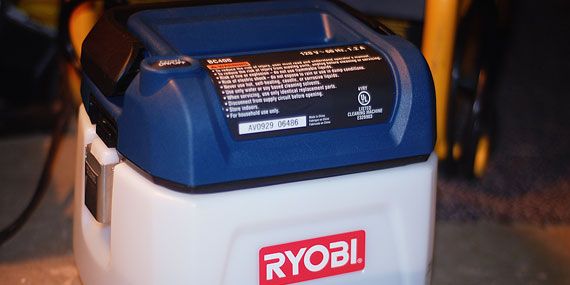
Electric Paint Brush Cleaner
When moving from one worksite to another: A plastic pail with a tight fitting lid is ideal for the short term storage and transport of brushes and roller sleeves. Fill this pail about half way with water so that brushes etc are covered. This will save you from having to clean brushes and rollers whenever work is interrupted. Wrapping a paint brush in cling wrap will prevent the paint drying on the brush for at least an hour or so while you take a lunch break. Similarly put your roller into a plastic bag and tape it around the handle.